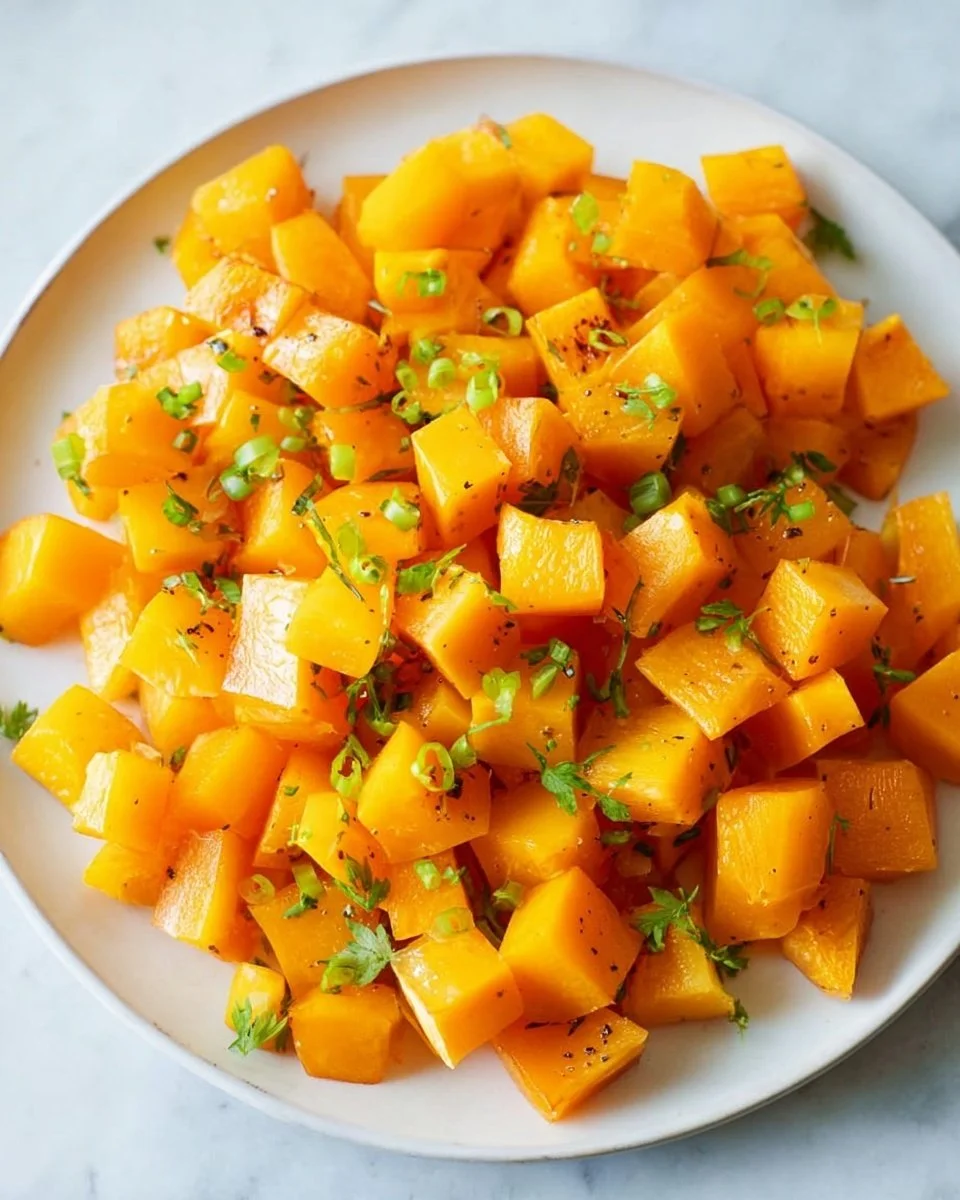
why make this recipe
Roasted butternut squash is a delightful dish that marries simplicity with flavor. Its natural sweetness and buttery texture make it a favorite among vegetable lovers. This recipe is not only easy to prepare, but it also highlights the rich flavor of butternut squash, making it a versatile side dish or a healthy snack.
This dish is perfect for any occasion, from casual family dinners to festive holiday feasts. Serving roasted butternut squash can elevate your meal, bringing warmth and a cozy feel. Plus, the nutritional benefits of butternut squash, packed with vitamins and antioxidants, make it a smart choice for a healthy diet.
equipment needed for Roasted Butternut Squash
To make roasted butternut squash, you’ll need some basic kitchen equipment. A sharp knife is essential for cutting the squash, as its skin can be tough. A cutting board will provide a safe space to chop the components without mess.
You’ll also require a large baking pan to hold the cubed squash while it roasts. A mixing bowl can help combine the ingredients before transferring everything to the baking pan. Finally, an oven with adjustable temperature settings is necessary for the roasting process.
What You Need to Make Roasted Butternut Squash
- 1 medium butternut squash, cubed into 1 to 2 inch pieces (approximately 5 to 6 cups)
- 2 tablespoons olive oil
- 1/2 teaspoon dried rosemary
- Salt and ground black pepper, to taste
- 1/2 tablespoon fresh parsley, chopped for garnish
How to Cook Roasted Butternut Squash Step by Step
Begin by preheating your oven to 425°F. This temperature will help achieve a nice caramelization on the butternut squash.
Next, peel the butternut squash carefully using a sharp knife or vegetable peeler. Once peeled, cut the squash in half lengthwise and remove the seeds using a spoon. After this, cut the squash into cubes measuring 1 to 2 inches. Make sure the pieces are roughly uniform in size to ensure even cooking.
Transfer the cubed squash into a large baking pan. In a mixing bowl, combine the olive oil, dried rosemary, salt, and ground black pepper. Pour this mixture over the cubed squash.
Toss the squash gently to ensure every piece is coated evenly with the oil and seasonings. This step is important as it allows the flavors to blend beautifully while roasting.
Once everything is well mixed, place the baking pan in the preheated oven. Roast the butternut squash for 25 to 30 minutes. Toss the squash halfway through roasting to achieve an even golden-brown color on all sides. When it’s done, the squash should be soft and tender when pierced with a fork.
Finally, take the roasted butternut squash out of the oven and allow it to cool slightly. For an added touch, sprinkle chopped fresh parsley on top to garnish and serve.
how to make Roasted Butternut Squash
Making roasted butternut squash is a straightforward process that anyone can master. Start with the right ingredients, ensuring you have a fresh medium butternut squash. The seasoning is very simple—olive oil, dried rosemary, salt, and pepper.
Peeling the squash may take a bit of effort, but the rich flavor it offers is well worth it. After peeling, be careful while cutting to create even-sized cubes for consistent cooking. The tossing of the ingredients ensures that each piece has a lovely coating, enhancing the flavor as it roasts in the oven.
As the squash roasts, its natural sweetness intensifies, leading to a crispy outside and a soft interior. This simple method allows the flavor of the squash to shine through, making it a perfect side dish for any meal.
how to serve Roasted Butternut Squash
Roasted butternut squash can be served in various ways. As a side dish, it complements many main courses beautifully, adding a pop of color and flavor. You can serve it alongside roasted meats like chicken, pork, or beef.
Another way to enjoy roasted butternut squash is in salads. Its sweetness can complement bitter greens such as kale or arugula. Pairing it with nuts or seeds can add crunch, while a tangy vinaigrette ties everything together.
For a cozy snack, consider eating it warm from the oven, perhaps with a dash of hot sauce or your favorite dip. The options are nearly endless, and it can even be blended into soups for added texture.
what to serve with Roasted Butternut Squash
Roasted butternut squash pairs well with a variety of dishes. You might serve it alongside roasted chicken or turkey for a comforting meal. Its earthy flavor complements grains like quinoa or farro, providing a wholesome combination.
Additionally, it goes great with other roasted vegetables, such as Brussels sprouts or carrots, creating a vibrant dish full of color and nutrients. For a vegetarian option, consider serving it with lentils or chickpeas tossed in olive oil and herbs.
If you’re preparing a festive meal, roasted butternut squash makes a lovely addition to a holiday spread. It can be served alongside stuffing, mashed potatoes, or gravy, satisfying guests with diverse tastes.
how to store Roasted Butternut Squash
Storing roasted butternut squash is simple and can help you enjoy this delicious dish for multiple days. Allow the squash to cool completely before storing it. Once cooled, transfer the leftovers into an airtight container.
You can keep the roasted squash in the fridge for about 3 to 5 days. If you want to store it for longer, consider freezing it. Place the cooled squash pieces in a freezer-safe bag or container, making sure to remove as much air as possible.
Frozen roasted butternut squash can last up to 3 months. When you’re ready to enjoy it again, simply reheat in the oven or microwave until warmed through.
tips to make Roasted Butternut Squash
To ensure your roasted butternut squash turns out perfectly, consider a few helpful tips. First, choose a fresh squash that feels heavy for its size and has a smooth, unblemished skin. Avoid squashes with soft spots or wrinkles.
Cut the squash into even pieces for uniform cooking. If you find the skin too tough to peel, consider microwaving the squash for a few minutes before peeling to soften it.
Don’t hesitate to experiment with different seasonings. While rosemary is delightful, you can try thyme, cinnamon, or even a touch of cayenne for a spicy kick.
Ensure your oven is fully preheated before placing the squash inside. This step helps with caramelization and achieves that desired texture. Keep an eye on the squash toward the end of the roasting time to prevent burning.
variation
Roasted butternut squash can be customized in many ways to suit different tastes. You can try different herbs, such as sage or oregano, for varied flavor profiles.
For added sweetness, drizzle a tablespoon of honey or maple syrup over the squash before roasting. This method enhances caramelization and gives a lovely glaze.
You can also incorporate other vegetables to roast alongside the squash. Sweet potatoes, bell peppers, or onions can create a colorful and flavorful medley that pleases any palate.
best time to make Roasted Butternut Squash
The best time to make roasted butternut squash is during the fall and winter months when the squash is in season. This seasonal availability means fresh squash is often sweeter and more vibrant in flavor.
However, you can enjoy roasted butternut squash any time of the year. Most grocery stores carry it year-round. Preparing this dish during the holidays, especially Thanksgiving, brings a touch of warmth and coziness to your table.
The comforting flavors and aromas of roasted butternut squash are perfect for warming up on a chilly evening.
common mistakes to avoid
Avoiding certain mistakes can help ensure your roasted butternut squash comes out perfectly every time. One common error is overcrowding the baking pan. When squash pieces touch each other, they can steam rather than roast.
Another mistake is not seasoning enough. Be generous with oil and spices, as this will enhance the flavor remarkably.
Be cautious when checking for doneness. If the squash is undercooked, it will remain hard. A fork should easily pierce the squash when it is done.
Lastly, not using a sharp knife can make peeling and cutting difficult. A sharp knife will make the prep work easier and safer.
nutritional notes
Roasted butternut squash is loaded with vitamins and nutrients. It is an excellent source of vitamin A, which is vital for eye health and immunity.
This dish also provides a good amount of fiber, supporting digestive health. The antioxidants found in butternut squash can combat inflammation and promote overall well-being.
Low in calories yet high in nutrition, roasted butternut squash is a fantastic addition to a balanced diet.
FAQs
1. Can I use frozen butternut squash?
Yes, frozen butternut squash can be used directly in this recipe. Just be aware that you might need to adjust the cooking time.
2. Is it necessary to peel butternut squash before roasting?
Peeling is not strictly necessary, but it will yield a tenderer texture. If you prefer, you can roast it with the skin on and scoop out the flesh afterward.
3. Can I make the roasted butternut squash ahead of time?
Absolutely! You can roast the squash a day in advance. Store it in the fridge and reheat it in the oven before serving.
conclusion
Roasted butternut squash is a simple yet delicious dish that everyone can enjoy. With its sweet, earthy flavors and incredible versatility, it can be served in numerous ways—dressing up any meal or just enjoyed on its own.
Arming yourself with the right ingredients and tips ensures success each time you prepare it. Enjoy the warmth and comfort it brings to your table, especially during the colder months, and share it with friends and family for a truly delightful experience.
