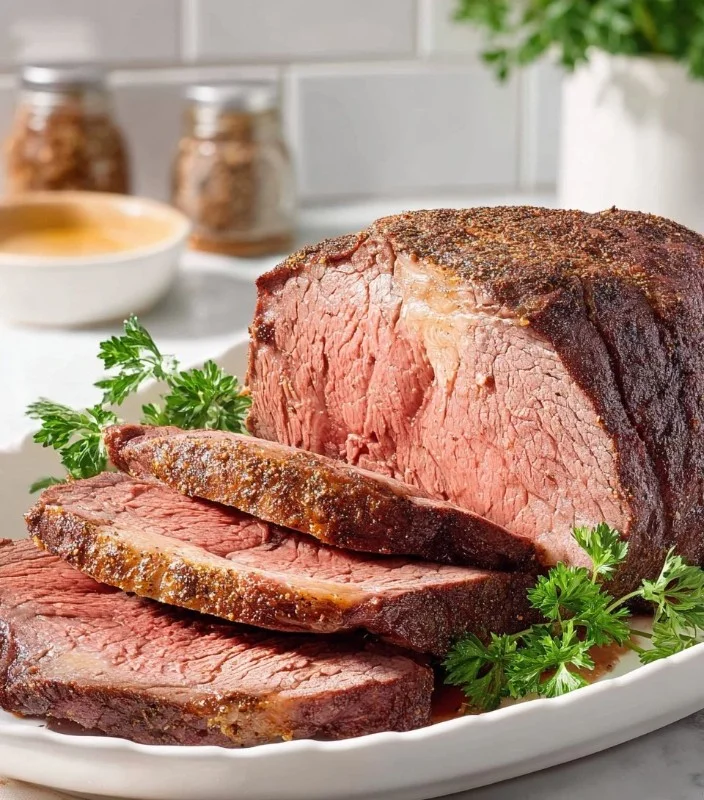
Perfect Prime Rib
There’s something undeniably special about preparing a prime rib roast that brings joy at the dinner table. Perfectly cooked, with its buttery, tender meat and a crispy, flavorful crust, it’s a dish that impresses without a doubt. Whether for a cozy family dinner or a big holiday feast, a prime rib roast is simply the star of the show.
This classic dish might seem daunting, but with just a few key steps, you can create a magnificent meal. The aroma of a roast prime rib slowly cooking is enough to make anyone’s mouth water, and the final presentation is simply stunning.
Why Make This Recipe
Prime rib is a delightful choice for any special occasion. Its rich flavor and tender texture make it a standout dish in any menu. Cooking a prime rib roast impresses guests and family alike, making it perfect for parties.
The results are a reflection of your effort, showcasing your culinary skills. Moreover, the leftovers, if any, can be just as delicious, often enjoyed in sandwiches or repurposed into new dishes.
Equipment Needed for Perfect Prime Rib
To prepare prime rib successfully, having the right equipment is essential. You don’t need an extensive collection of kitchen tools but a few specific items will make the process smoother.
- Roasting pan
- Meat thermometer
- Cutting board
- Sharp carving knife
- Aluminum foil
These tools will help you cook the roast perfectly and serve it with ease.
What You Need to Make Perfect Prime Rib
To create a succulent prime rib, gathering quality ingredients is key. The following list includes everything you need:
- 10 pounds Bone-in Prime Rib roast or oven roast (4 ribs for serving 8 people)
- Salt (kosher salt preferred)
- Pepper
These three ingredients are the backbone of the recipe, allowing the meat’s natural flavor to shine.
How to Cook Perfect Prime Rib Step by Step
When you’re ready to cook, the first step is to remove the roast from the refrigerator several hours beforehand. This allows the meat to come to room temperature. It’s an important step that will help it cook evenly.
Once the roast is at room temperature, preheat your oven to 450 degrees. This high initial temperature will help create that delicious crust that everyone loves. Generously sprinkle salt and black pepper all over the roast, covering all surfaces thoroughly.
Next, place the roast in a heavy roasting pan with the rib bones facing down. There’s no need for a rack because the bones act as a natural roasting rack, elevating the meat and allowing the heat to circulate evenly.
After the roast is in the pan, cook it for 15 minutes at the high temperature. This initial blast of heat will help to develop that wonderful outer crust. Once that time is up, reduce the oven temperature to 325 degrees.
From this point, continue cooking for approximately 15 minutes per pound if you prefer rare, 17 minutes for medium rare, or 20 minutes for medium. Keep an eye on the temperature, as it’s the best way to ensure your roast cooks to perfection.
Once the prime rib reaches its desired internal temperature, carefully remove it from the oven. Cover the pan with foil and let it rest for 30 minutes before you start carving. Resting is crucial, as it allows the juices to redistribute throughout the meat, resulting in a juicier roast.
When it’s time to serve, cut and remove any twine from the roast. Separate the meat from the bones and then slice it thinly. Serve the slices immediately for the best experience.
How to Make Perfect Prime Rib
Making the perfect prime rib roast requires patience and care. Each step, from seasoning to resting, plays an important role in the overall flavor and texture of the meat.
Be attentive to temperature; using a meat thermometer will help you gauge when the roast reaches your desired doneness. Remember, it’s better to slightly undercook the meat, as it will continue to cook while resting.
Once you’re ready to carve and serve, take your time. Slicing the roast evenly will enhance its presentation and allow everyone to enjoy the juiciness of each piece.
How to Serve Perfect Prime Rib
Serving prime rib is an opportunity to showcase your culinary triumph. Once the roast is sliced, arrange the pieces on a platter. Garnish with fresh herbs or a sprig of rosemary for added color and aroma.
Pair each slice with some of the drippings from the roasting pan for added flavor. This elevates the dish and keeps the meat moist. Consider using a serving knife for an elegant touch.
Allow your guests to help themselves or serve them directly for a more formal dining experience.
What to Serve with Perfect Prime Rib
Complementing your prime rib roast with the right sides can enhance the entire meal. Consider traditional accompaniments like creamy horseradish sauce, which adds a zesty kick.
Roasted vegetables, such as carrots, potatoes, or Brussels sprouts, work well alongside the rich meat. These side dishes not only taste great but also add color to your plate.
Additionally, a rich gravy made from the meat drippings can be served on the side, allowing each person to customize their meal. Creamy mashed potatoes or a classic Caesar salad also pair beautifully with prime rib.
How to Store Perfect Prime Rib
Storing leftover prime rib is simple, but there are a few steps to keep it fresh. Allow any leftover prime rib to cool completely before storing. This helps prevent excess moisture from developing in the storage container.
Wrap the roast tightly in plastic wrap or aluminum foil, then place it in an airtight container. Alternatively, slice the meat and store it in individual portions for easy access later.
Cooked prime rib can be refrigerated for up to three days. If you wish to store it for a longer duration, consider freezing the meat. It can last in the freezer for up to six months without losing flavor.
Tips to Make Perfect Prime Rib
To elevate your prime rib experience, consider a few helpful tips. First, always choose high-quality beef for the best flavor and tenderness. Consider asking your butcher for recommendations on cuts.
Ensure proper seasoning by generously coating the meat with salt and pepper. This acts as a dry brine and will enhance the natural flavors during cooking.
Monitoring the internal temperature with a reliable meat thermometer is crucial. Remember that smaller roasts cook faster, so if you’re using a different size, adjust the cooking time accordingly.
Variation
While the classic version of prime rib is simply seasoned with salt and pepper, feel free to experiment with other herbs and spices. Garlic, thyme, and rosemary can add a wonderful depth of flavor.
Some even choose to marinate prime rib ahead of time for an extra punch. Just ensure the steak remains balanced in flavor and doesn’t overpower the natural taste of the beef.
Best Time to Make Perfect Prime Rib
Prime rib is best saved for special occasions. Holidays, birthdays, and family gatherings are excellent opportunities to showcase this dish. The festive atmosphere makes the effort worth it, allowing everyone to celebrate together.
Additionally, winter months may suit prime rib perfectly, as hearty meals comfort during the colder season.
Common Mistakes to Avoid
When cooking prime rib, avoiding common mistakes can make all the difference. One of the biggest mistakes is cooking the meat straight from the refrigerator. Always allow it to come to room temperature for even cooking.
Another mistake is not letting the roast rest before carving. This is essential for juicy, flavorful meat.
Lastly, be cautious about cooking at too high of a temperature for too long. This can lead to overcooked and dry meat.
Nutritional Notes
Prime rib is an excellent source of protein, important for muscle and tissue health. It also contains essential vitamins and minerals such as zinc, iron, and vitamin B12.
While it is delicious, be mindful of portion sizes, as red meat can be high in saturated fat. Moderation, balanced with plenty of fresh vegetables, can make for a healthy meal.
FAQs
How do I know when my prime rib is done?
Using a meat thermometer is the most accurate way to determine doneness. The internal temperature for medium rare is around 130-135°F.
Can I cook prime rib the day before?
You can cook it the day before and reheat gently in the oven when ready to serve. Ensure it is wrapped well to keep it moist.
Can I use a different cut of meat?
While prime rib is ideal for its flavor and tenderness, other cuts like ribeye can also be used, but they may require different cooking methods and times.
Conclusion
Perfect prime rib is a classic dish that can elevate any meal. With a bit of patience and attention to detail, you can create a beautiful roast that impresses your guests and satisfies taste buds.
Taking the time to prepare this dish rewards you with tender, flavorful meat that will be cherished and remembered. Whether for a holiday or a simple family dinner, prime rib is a delightful choice that continues to stand the test of time.
